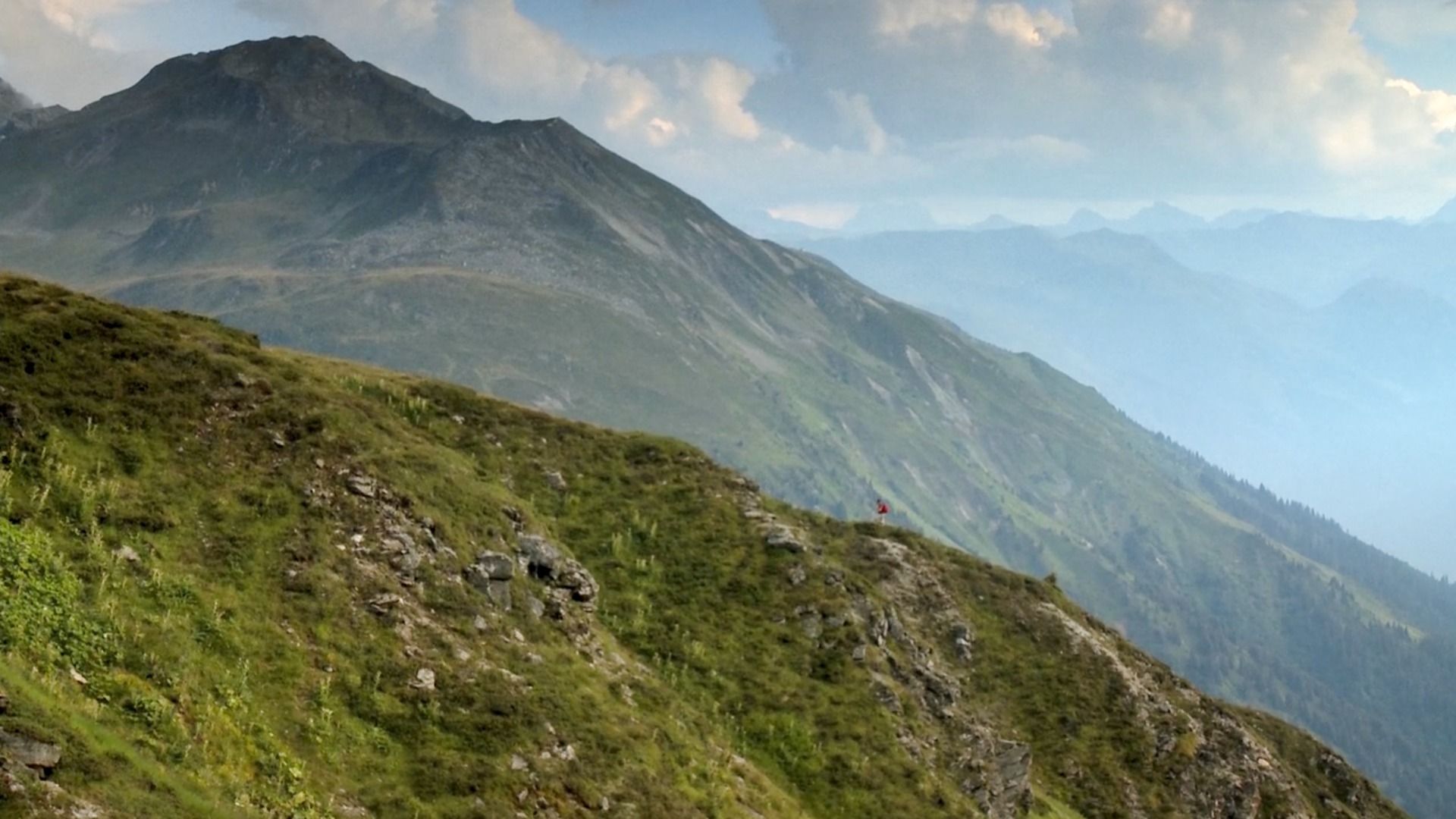
You're no longer leading the way you set out to.
Twelve weeks of personal accompaniment, at the end of which you lead from your own strength again – not from reserve.
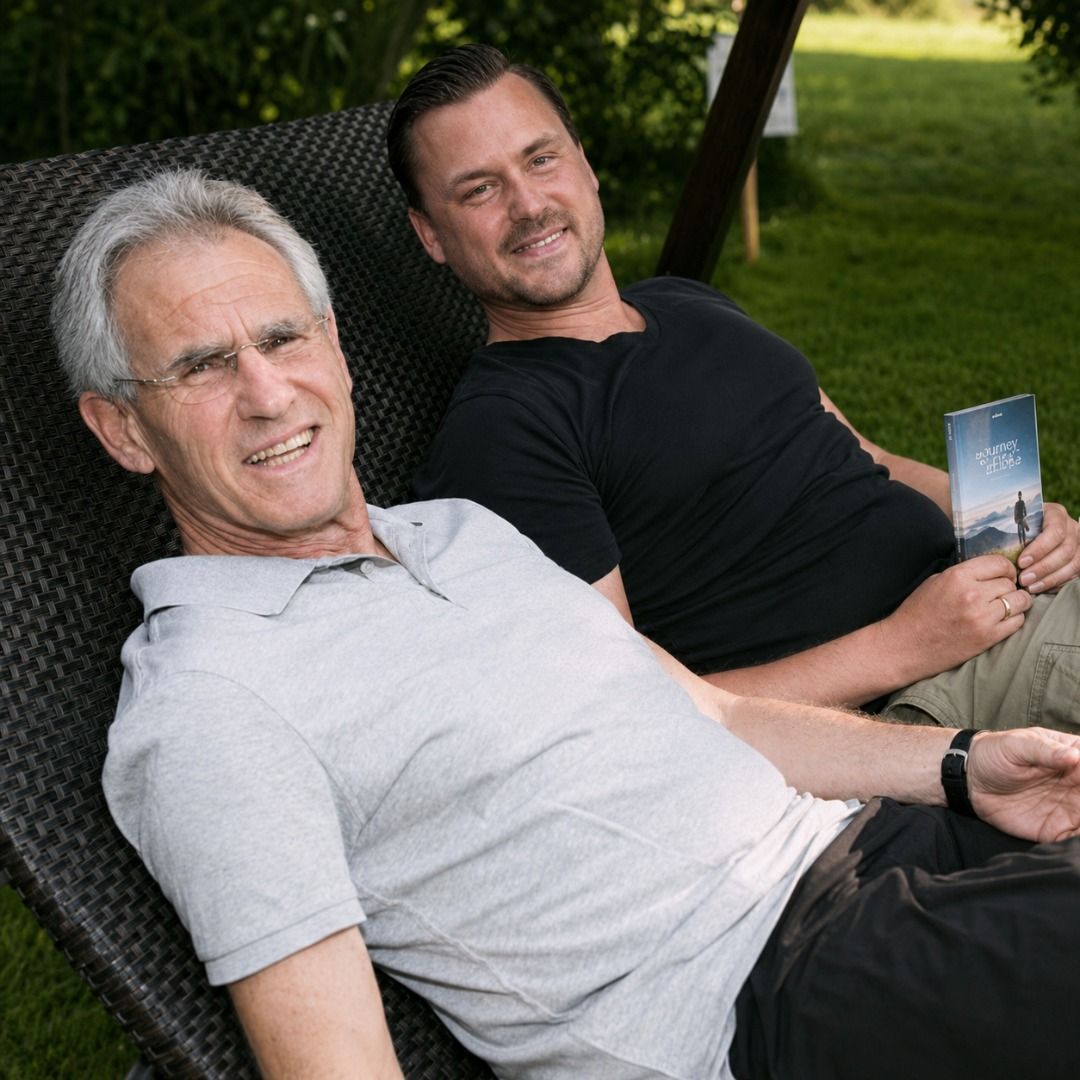
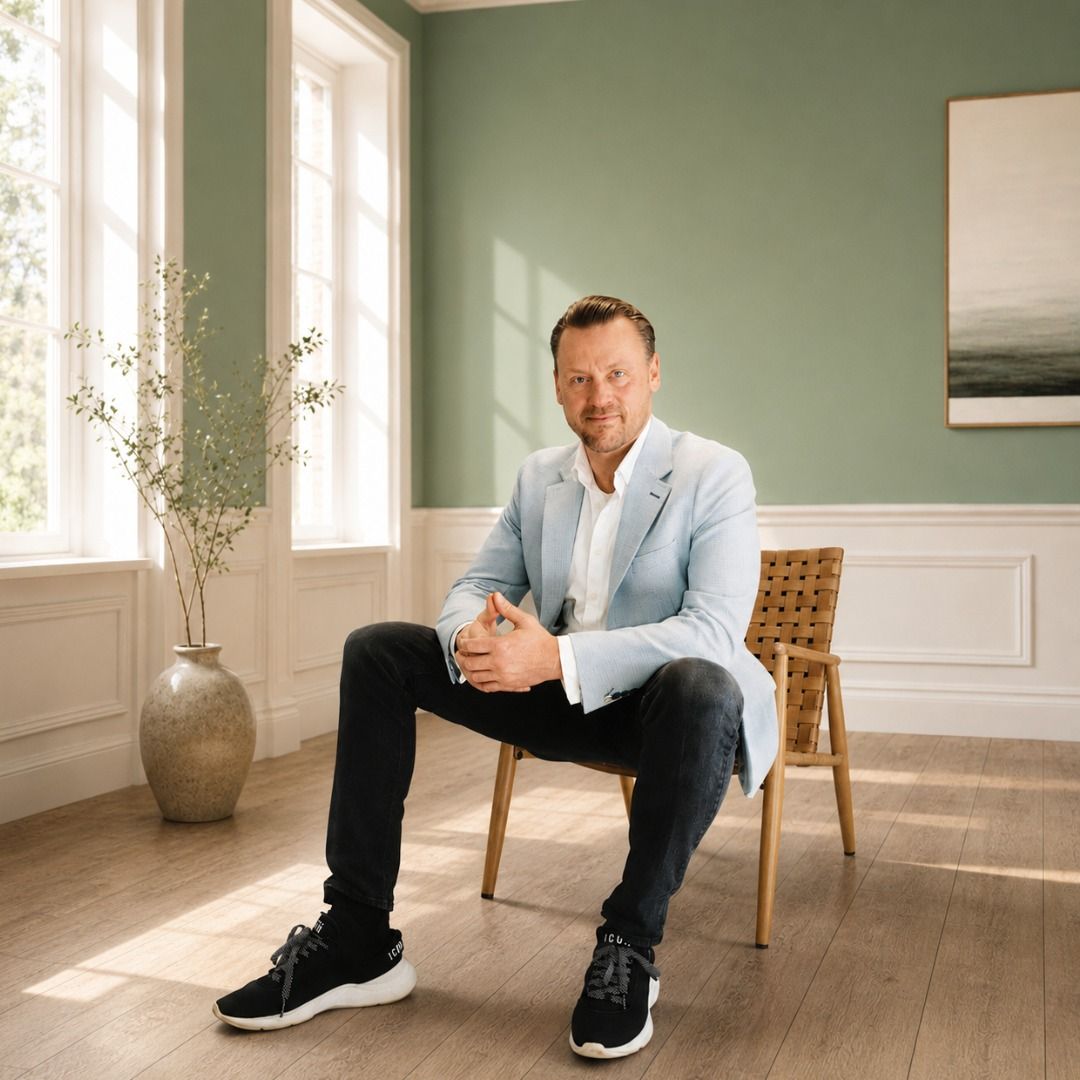
I'm Julian Wildgruber.
Filmmaker, fifteen years an entrepreneur, and today I accompany people who carry a great deal.
For my feature documentary From Business to Being I worked for four years with Jon Kabat-Zinn, Otto Scharmer, Tania Singer and Götz Werner. Since then I've brought that work into leadership circles – at Otto Group, Novartis, Bosch, Siemens and dm among others. And I accompany individuals at the top, most recently on the board of a bank.
The demands keep rising. Your strength quietly doesn't.
A great many organisations are being restructured right now, and AI is driving it. People have to go, others have to relearn, whole divisions are being redrawn. Knowledge used to be the advantage; today it's knowing what to do with it. And in the middle of all this stands one person who carries the responsibility for it – and mustn't let it show.
Where the weight comes from is different for everyone.
Sometimes it's the role: there's no longer anyone above you to hand something to, and no one below you with any room left either.
Sometimes the hardest part isn't the organisation at all, but something at home – parents getting older, a child you're worried about, a relationship that no longer holds.
And sometimes it's a conflict inside the business that has hardened to the point where none of the usual leadership tools reach it.
And it's not as though you've done nothing. The time-management seminar, after which everything was different for three weeks. The coach for your team, who did good work, just not where it actually pinches. Possibly the watch that informs you each morning how badly you slept.
None of it was wrong. It simply didn't hold.
Nobody says anything. Everybody feels it.
Under sustained pressure your field of view narrows. Good solutions come harder, and your style of leading slides towards the reactive – more instruction, more control, less thinking together.
You're doing everything right. It just doesn't feel right any more. In the meeting you agree, and on the way out you know you'd have decided that differently three years ago.
What goes first is your attentiveness and your openness towards the people you work with. You keep deciding, you keep leading, you keep delivering – but you don't reach your people the way you used to. And they notice.
The strange thing is how many people in your position know this, and how few of them talk about it. One leader once put it to me like this:
If the system stays as it is and keeps doing this to me – back pain, three weeks of migraine, working until late at night and back at the desk in the morning, and I can't give my own managers any decent feedback – then I don't want to lead like this. That isn't the way I set out to lead.
The hard part first.
Someone who talks like that isn't finished. He simply holds himself to a standard his circumstances won't currently allow. And that's exactly where I begin – not with the person, but with the ground he leads from.
We start where it genuinely hurts. Not with what's on the agenda, but with the sore points and the trouble you don't tell anyone else about.
After that we go through your four areas – self-leadership, nutrition, movement, recovery – and look calmly at what gives you strength and what takes it away. Not a questionnaire, but a conversation that leaves you with a picture you didn't have before.
Then comes the question everything rests on: what are you actually doing this for? That isn't something you answer in passing. It needs time, and here you get it.
And then something grows that wasn't there before: a small practice that survives even a full day. One thing that holds. Then the next. In the end they carry together.
Nobody's watching when it counts.
The real work doesn't happen in our conversations. It happens on an ordinary Tuesday, when the diary is full – and you take those ten minutes anyway.
That's where what lasts is made. And because these things rarely surface conveniently before a scheduled session, I'm reachable in between as well.


A practice that stays.
Six conversations pass. This is what remains.
A map of what drains you, along with the patterns that keep pulling you back into old behaviour.
Your own answer to the question of what you're doing this for – and three to five principles you can steer a decision by when you're under pressure.
A rhythm for your day: how it starts, where the pauses sit, how it ends.
And a practice that's still there when I'm no longer around.
Whether it's taking hold shows up along the way, in small things. Whether you don't just get through your practice but come to love it. Whether you're still present in the afternoon, where you used to fade. And at some point somebody tells you that you seem different.
Who you'll be working with.
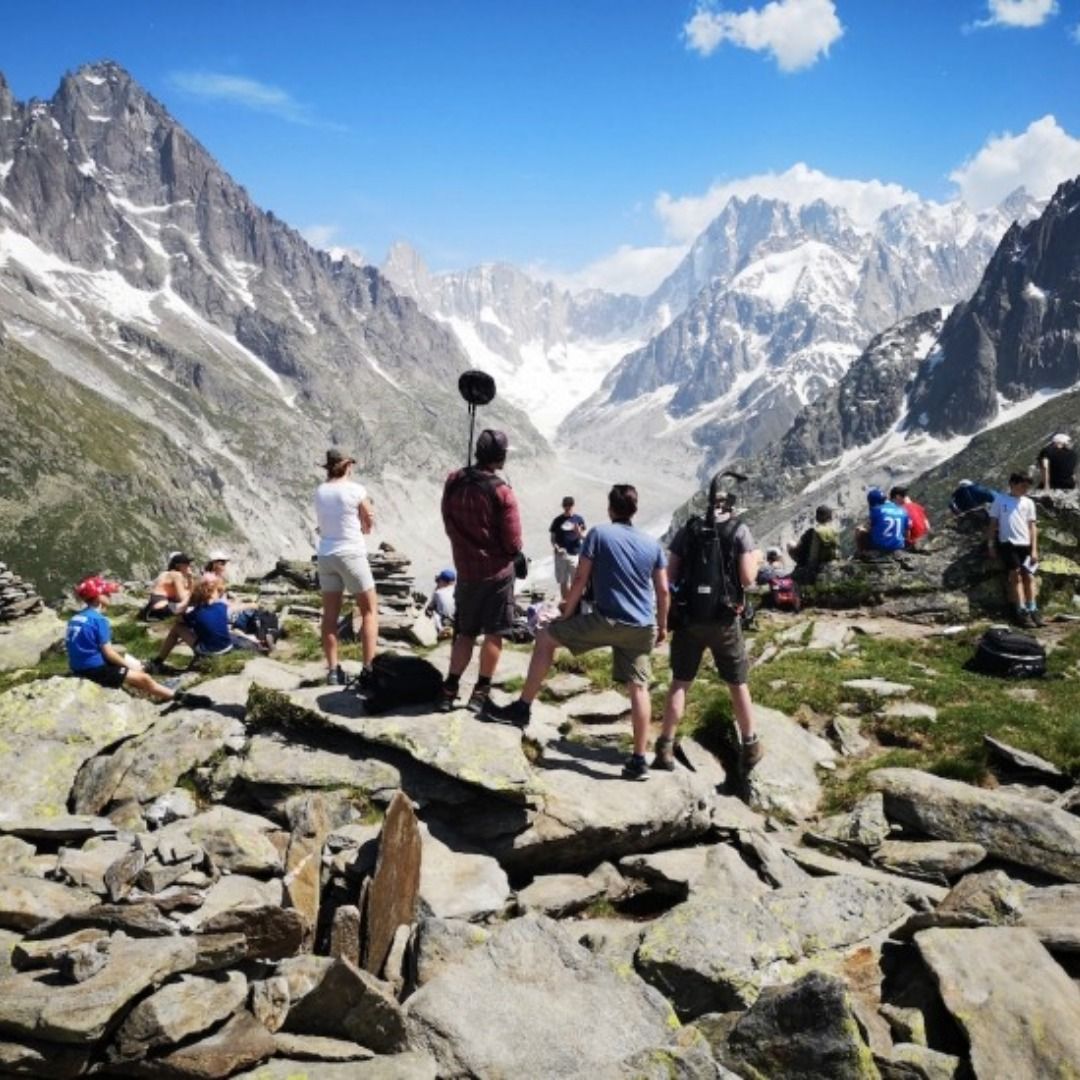
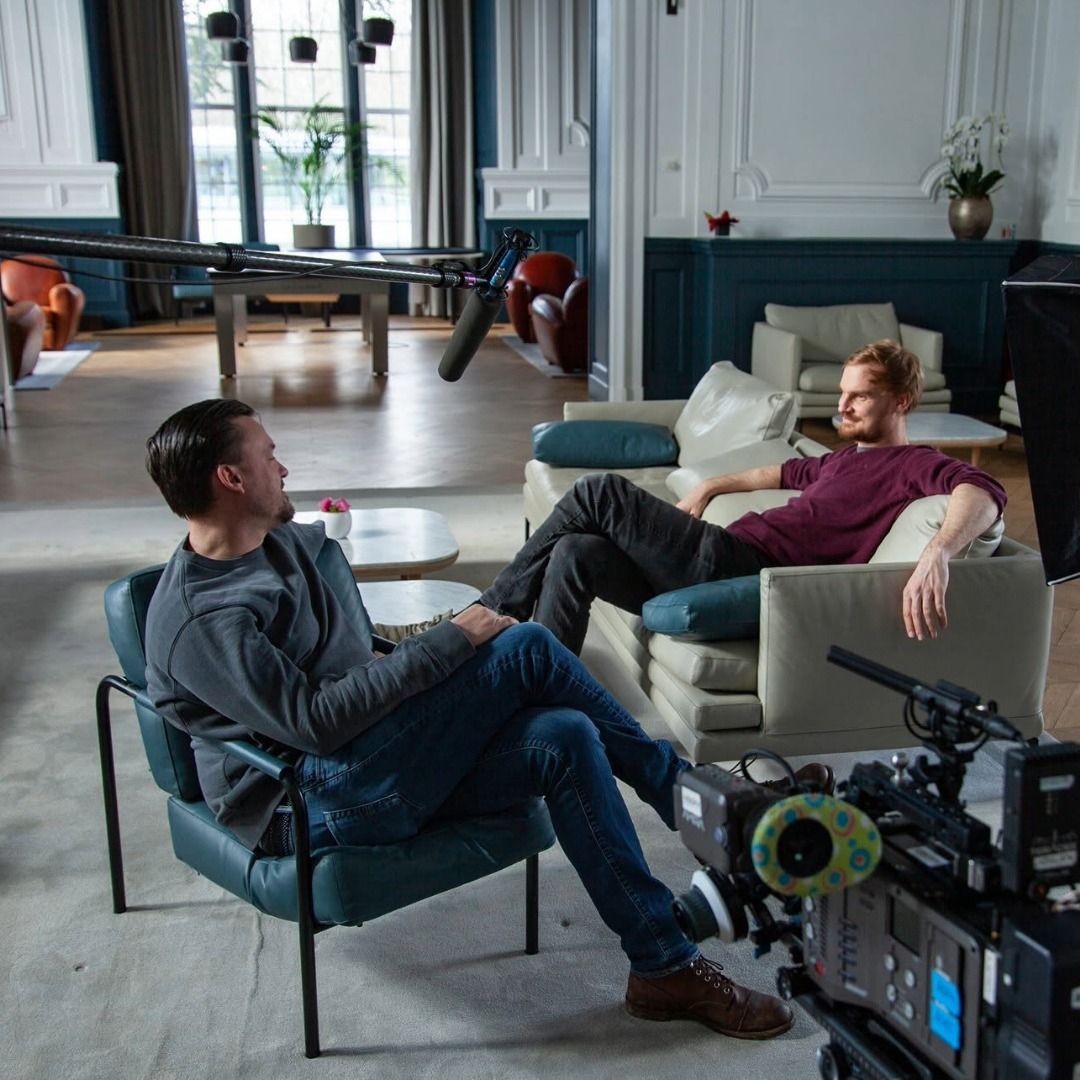
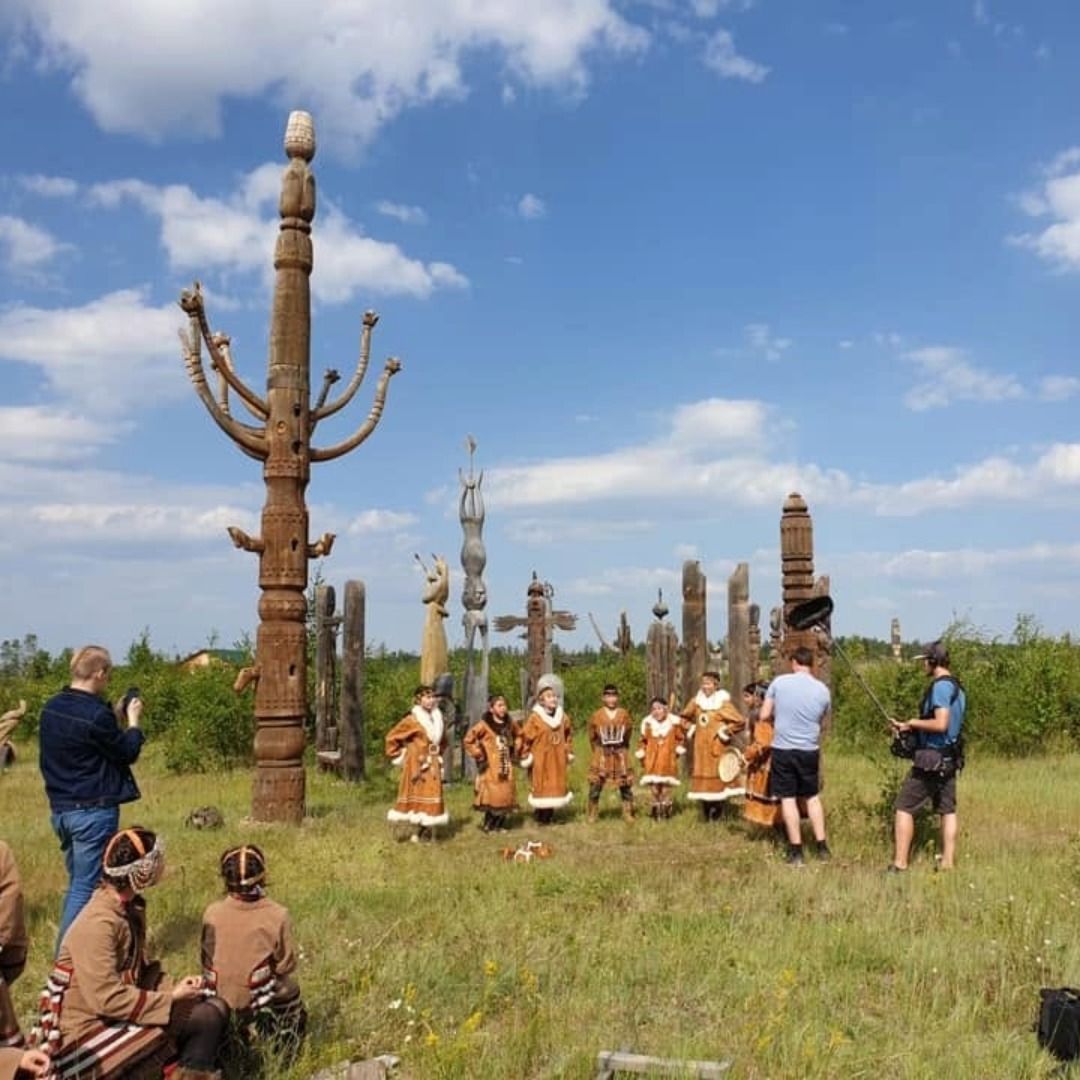
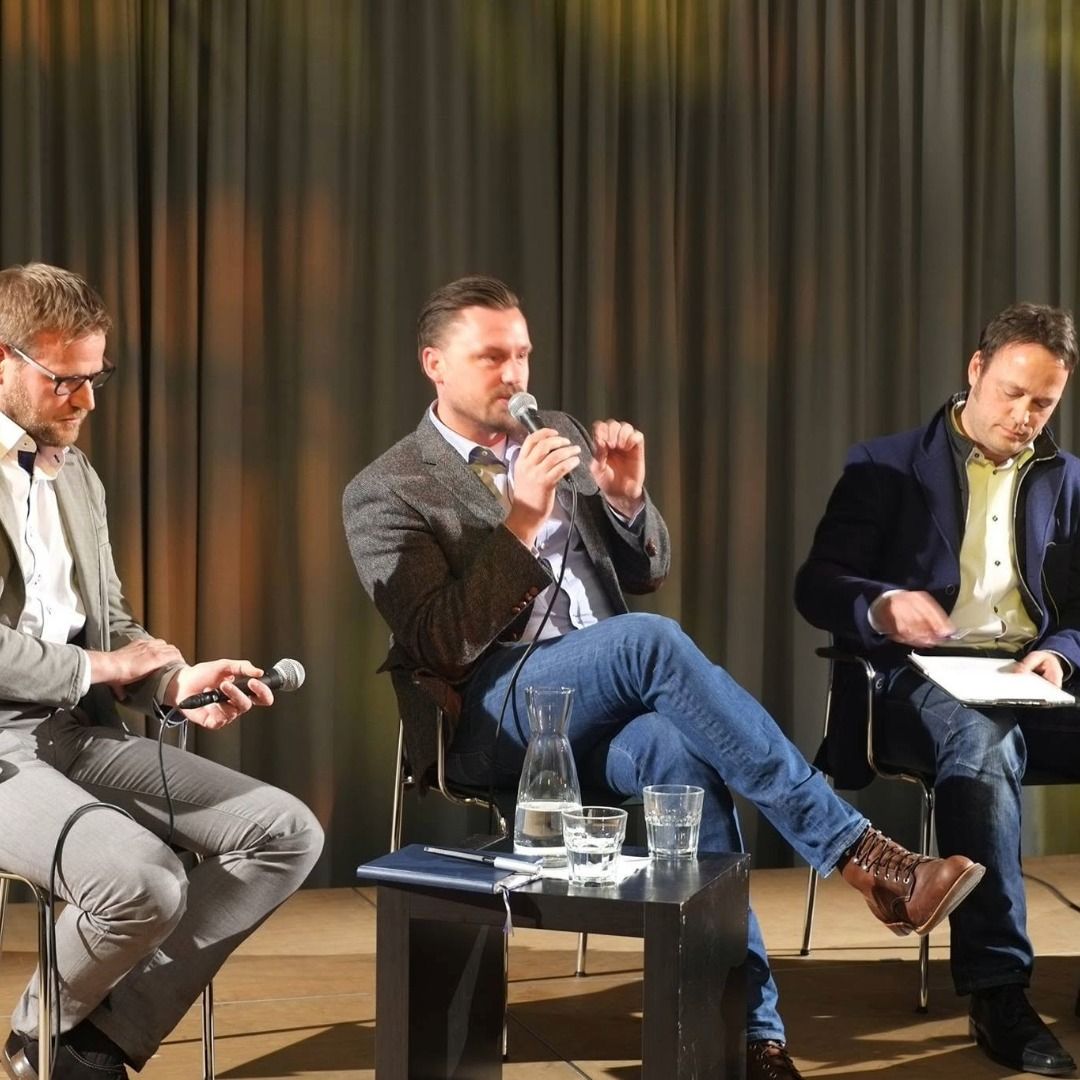
I know the point at which responsibility tips over into isolation. From my own experience, and from the rooms my work has taken me into – film sets, board meetings, stages, retreats where science and contemplation meet.
For fifteen years I've been asking the same question: what does a person draw on when the world moves faster than they can?
How we work.
Six conversations across twelve weeks, once a fortnight, ninety minutes each, in person or by video. In between we stay in contact: if something's pressing, write to me and you'll get an answer, usually as a voice message. We discuss the investment in the Orientation Session.
This work suits you if you carry real responsibility and are willing to do something for it every day for twelve weeks – including the days you don't feel like it. And if what you want is a way of living rather than the next tool that sits on the shelf after three weeks.
It doesn't suit you if what you need is a quick repair. And if you're under medical or therapeutic care, I'm glad to work alongside that, in agreement with the people treating you – what I don't replace is therapy.
The return.
People sit down opposite me with a tight neck and raised shoulders, able to talk about anything except how they're actually doing.
I know how that feels. I carried it myself for fifteen years, and I had spells where things got tight. What held in the end wasn't a technique. It was my own sources of strength – which had never run dry, only silted over. And a practice I had to work hard to build.
That's exactly what this work is. Not carrying less, but carrying it differently. Not rebuilding your life, but the ground you lead from.
You still carry the same responsibility. But it no longer breaks you.
The way in.
It always starts the same way: with an Orientation Session. Two hours in which we look at your situation together, closely. You leave with a clear picture and three to five levers for the coming weeks. Whether anything more comes of it settles itself afterwards, unhurried.


